
How Do You Design a Bespoke Kitchen for an Older or Period Property?
Older properties have a character that is difficult to replicate. From exposed oak beams and original brickwork to sash windows and traditional architectural details, these homes possess a unique charm that deserves to be preserved. When planning a kitchen renovation, the challenge is finding the right balance between respecting that character and creating a space that works beautifully for modern life.
At Chapel Lane Furniture, we believe a successful kitchen should feel as though it belongs in the home, rather than simply being installed within it. A bespoke kitchen offers the flexibility to work with the building's individual features, creating a carefully considered space that combines timeless design, practical storage and exceptional craftsmanship.
So, how do you approach the design of a bespoke kitchen for an older or period property?
1. Start by Understanding the Character of Your Home
Before choosing cabinet colours, worktops or handles, consider what makes your property special. Original beams, fireplaces, brick walls, stone floors and traditional windows can all influence the kitchen's design.
Rather than covering up these features, look for ways to incorporate them into the overall scheme. Natural timber can complement exposed beams, while carefully chosen painted cabinetry can sit comfortably alongside original brickwork or traditional flooring.
Proportion is equally important. Older homes often have unusual room shapes, lower ceilings or walls that are not perfectly straight. A standard kitchen layout may struggle to accommodate these details, whereas bespoke cabinetry can be designed around the space.
At Chapel Lane Furniture, every kitchen begins with an understanding of the property and the people who live in it. This helps ensure the finished design feels considered, harmonious and individual.
2. Choose a Kitchen Style That Complements the Property
The best kitchen style will depend on the age, architecture and personality of your home. Traditional Shaker kitchens are a popular choice for period properties because their simple framed doors and understated detailing complement classic interiors without feeling overly decorative.
For a country home, painted cabinetry in soft greens, warm neutrals or muted blues can create a relaxed, welcoming atmosphere. Natural oak can introduce warmth and texture, particularly when used for shelving, an island or selected cabinet details.
In some properties, a more contemporary approach may work equally well. Clean lines, restrained colours and discreetly integrated appliances can provide a modern contrast to traditional architectural features.
The key is to create a relationship between old and new. Your kitchen does not need to imitate the past; it simply needs to respect the character of the building while reflecting your personal taste.
3. Make the Most of Awkward Spaces
One of the biggest challenges when renovating an older property is making the available space work efficiently. Alcoves, uneven walls, chimney breasts and sloping ceilings can make standard kitchen units difficult to fit neatly.
This is where a bespoke kitchen can make a real difference. Made-to-measure cabinetry allows the design to accommodate the room's dimensions, helping to maximise storage while maintaining a balanced appearance.
Consider incorporating a bespoke pantry, full-height cupboards or deep drawers to make everyday essentials easier to organise. If space allows, a kitchen island can provide additional preparation space, storage and somewhere for family and friends to gather.
Every detail should have a purpose. By planning the cabinetry around your needs and the room's limitations, you can create a kitchen that feels both spacious and practical without compromising its character.
4. Combine Traditional Craftsmanship with Modern Functionality
A beautiful kitchen must also work for the way you live today. Modern appliances, effective lighting, well-planned storage and practical work surfaces can all be incorporated without detracting from a traditional interior.
Integrated appliances help maintain clean lines, while carefully positioned task lighting makes cooking and food preparation easier. Internal drawers, bespoke cutlery inserts and thoughtfully designed larder cupboards can keep everyday items accessible without creating unnecessary clutter.
Materials also play an important role. Natural timber, painted cabinetry and carefully selected worktops can bring together traditional and contemporary elements in a cohesive way.
At Chapel Lane Furniture, we combine traditional cabinet-making skills with modern techniques to create handcrafted kitchens tailored to each home. The aim is not simply to produce attractive furniture, but to create cabinetry that is practical, durable and designed to be enjoyed for years to come.
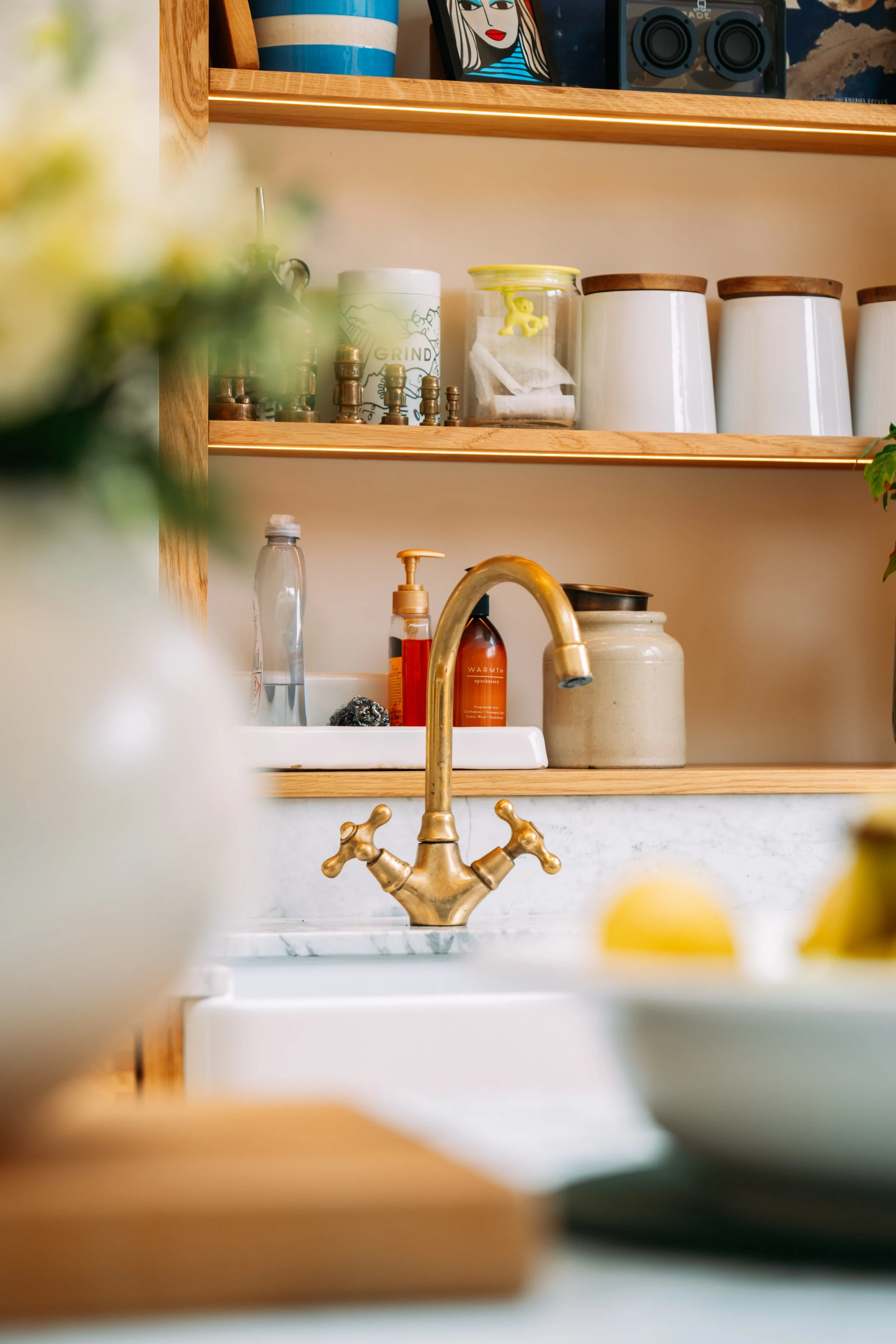
beautiful brass metal work tap
5. Think Carefully About Colours and Materials
The colours and finishes you choose will influence how the kitchen feels within the wider property. In older homes, natural materials and considered colour combinations often provide the most enduring results.
Soft, muted shades can complement original architectural features, while deeper colours can add character and definition. Natural oak introduces warmth and works particularly well alongside painted cabinetry, creating contrast without overwhelming the room.
It is also worth considering how materials will look in different lighting conditions. A colour that appears subtle in a showroom may feel quite different in a room with limited natural light.
Rather than following short-lived trends, choose finishes that suit the building and your preferences. A well-designed bespoke kitchen should feel relevant and beautiful long after the renovation is complete.
6. Plan the Project Around Your Home and Lifestyle
Good kitchen design involves more than selecting furniture. Before work begins, consider how you cook, entertain and use the space every day. Think about preparation areas, circulation, storage, appliance positions and how the kitchen connects with adjoining rooms.
It is also important to assess the existing building carefully. Older properties may require additional consideration around plumbing, electrics, flooring, ventilation and uneven surfaces. Where necessary, consult the appropriate building professionals before finalising the design.
Allowing time for thoughtful planning can help avoid unnecessary compromises later. Working with an experienced bespoke kitchen maker gives you the opportunity to discuss the practical challenges early and develop a design that responds to the property.
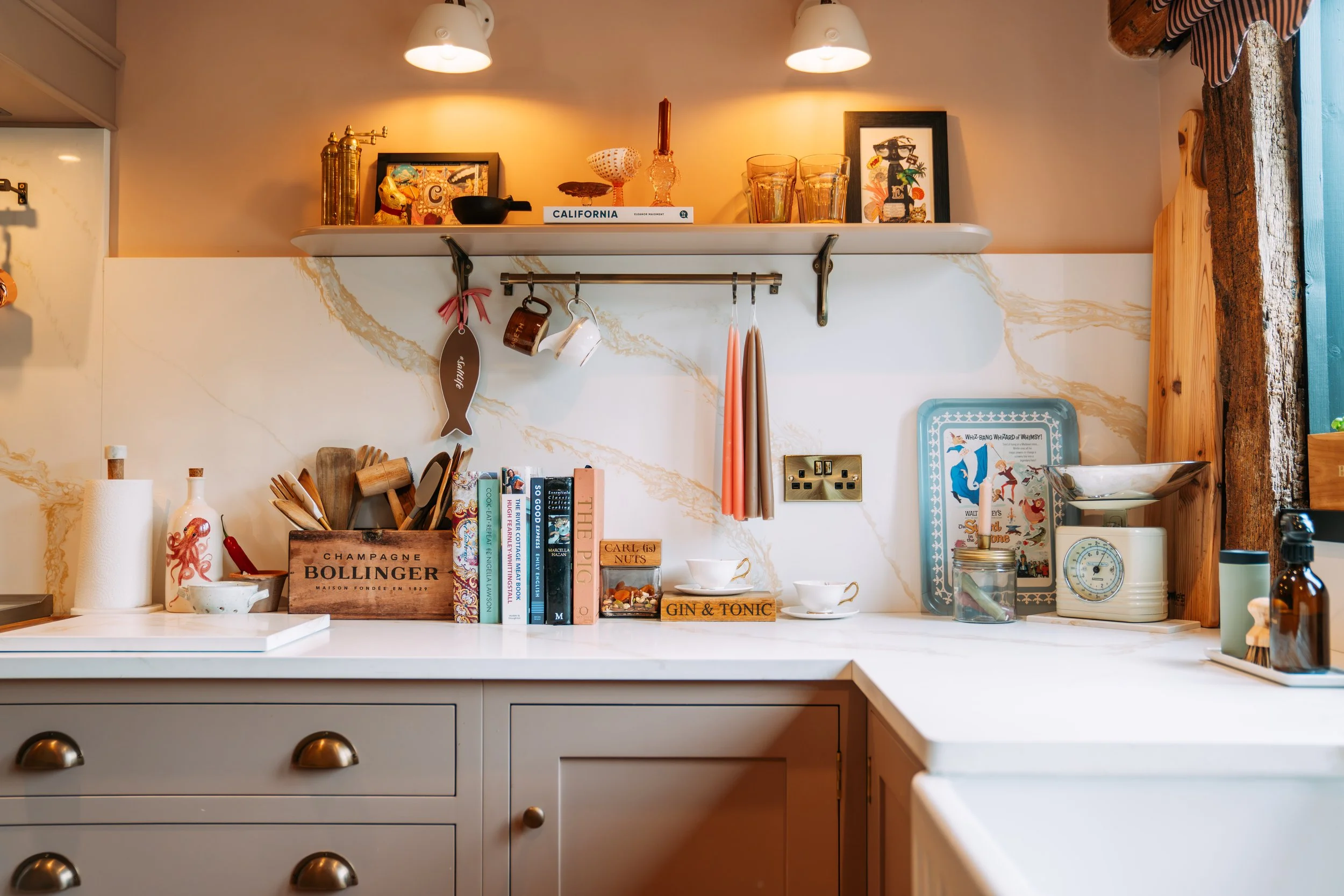
beautiful lighting over the open kitchen shelving
Creating a Kitchen That Belongs in Your Home
Designing a kitchen for an older or period property is an opportunity to celebrate the character of your home while making it more practical for modern living. With carefully chosen materials, thoughtful proportions and beautifully crafted cabinetry, traditional features and contemporary convenience can work together naturally.
At Chapel Lane Furniture, we design and handcraft bespoke kitchens in Suffolk, creating individual spaces around each property's architecture and each client's requirements. From classic Shaker cabinetry to more contemporary designs, every project combines considered design with traditional craftsmanship and attention to detail.
If you are planning a kitchen renovation and would like to explore the possibilities for your home, we would be delighted to discuss your ideas.
Contact Chapel Lane Furniture to arrange a consultation and discover how a bespoke kitchen can bring together the character of your property, the way you live and the craftsmanship your home deserves.